LOCATION
LOCATION
Location
PUNTA ARENAS
PUNTA ARENAS
DURATION
DURATION
Duration
7 Hours
7 Hours
Seasonality
Weather dependant
People
Solo and Shared
Phisycal effort
High
Weather sensitivity
High
High
SEASONALITY
Weather dependant
GROUP NATURE
Solo and Shared
PHISYCAL EFFORT
High
WEATHER SENSITIVITY
High
WHAT THIS IS
WHAT THIS IS
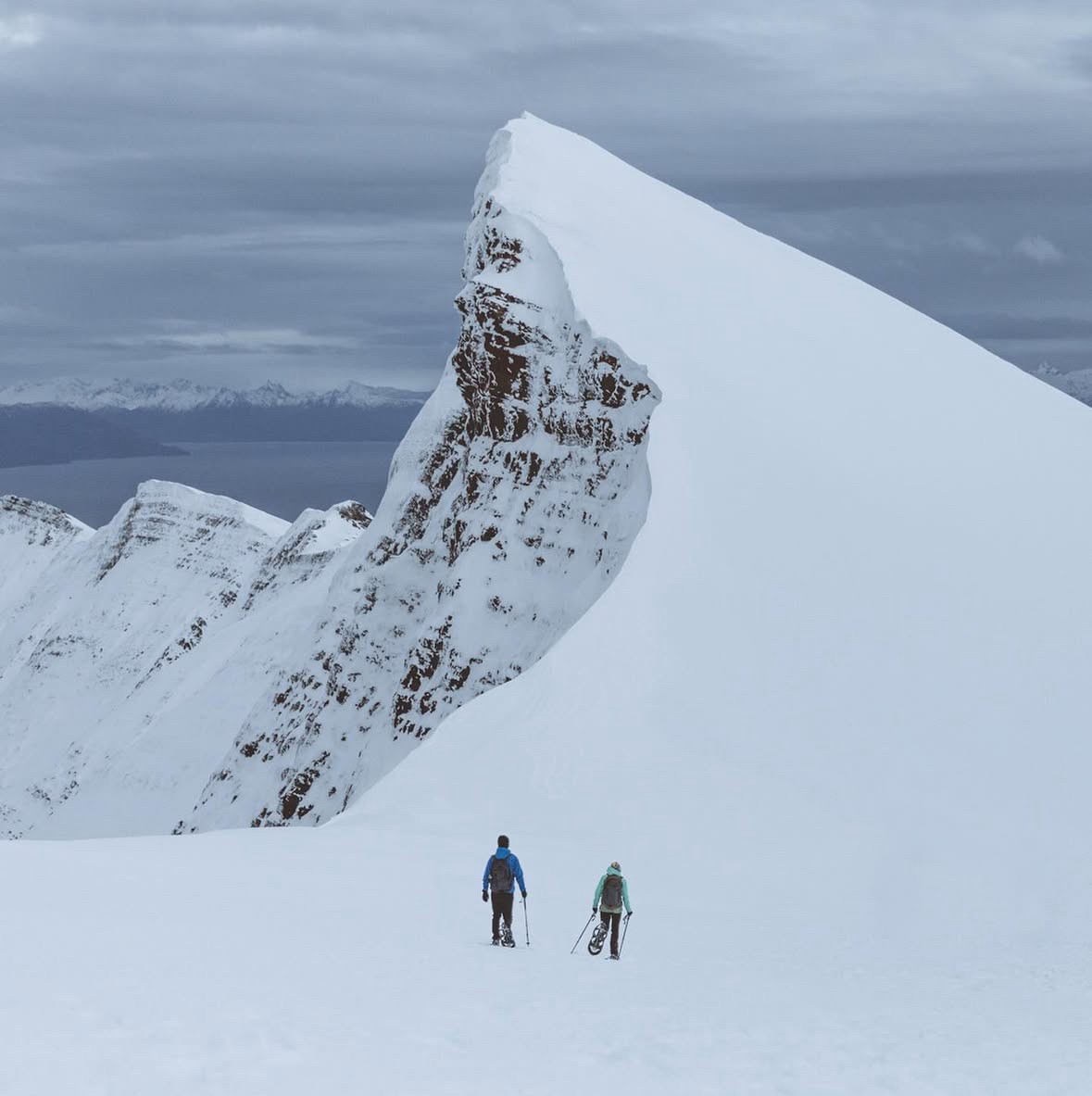
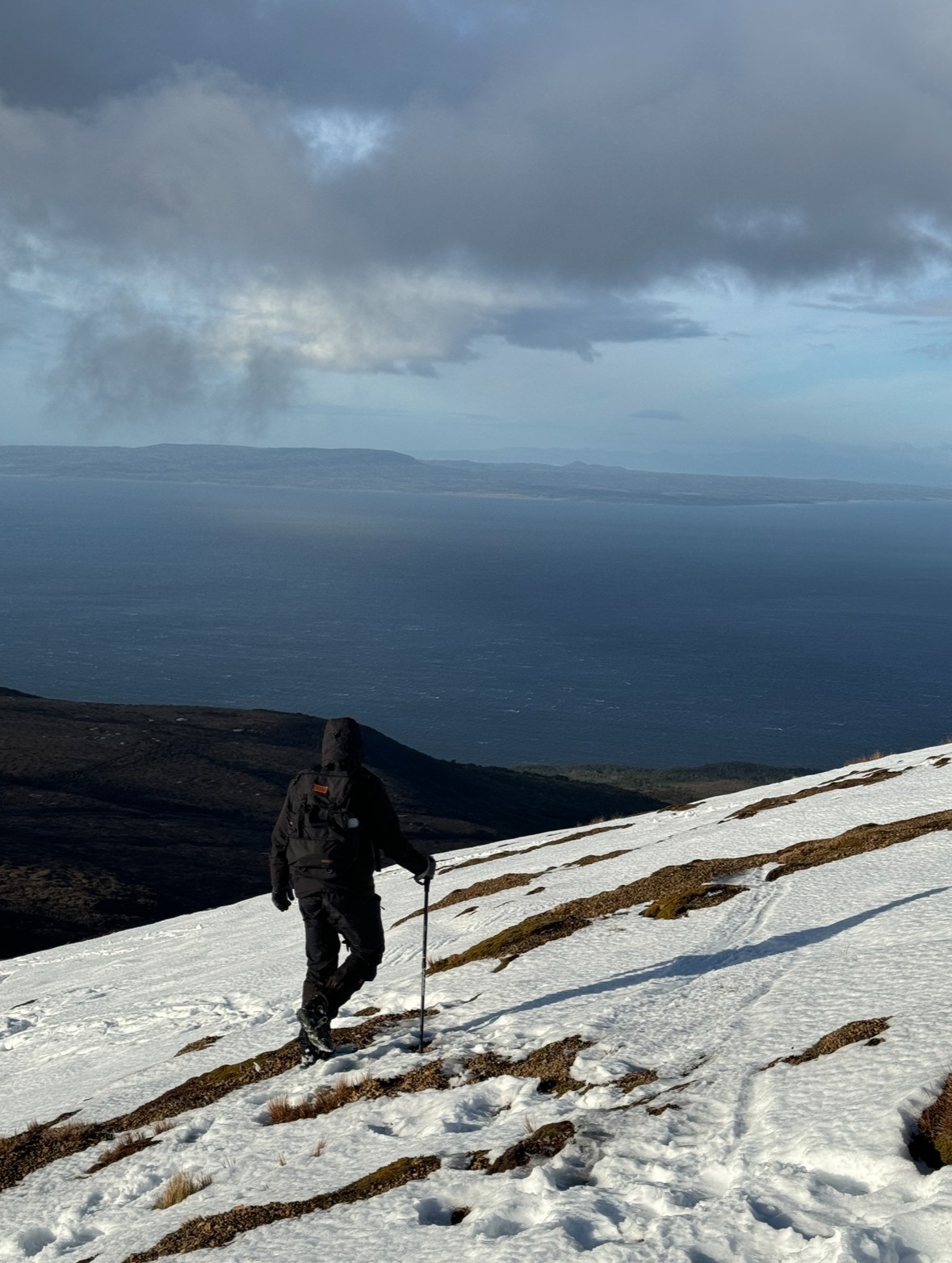
A mountain trek on the Brunswick Peninsula south of Punta Arenas. The trail climbs from dense forest to exposed ridgelines and the summit of Mount Tarn. From the top, the landscape opens toward the Strait of Magellan, revealing what separate continental Patagonia from Tierra del Fuego.
A mountain trek on the Brunswick Peninsula south of Punta Arenas. The trail climbs from dense forest to exposed ridgelines and the summit of Mount Tarn. From the top, the landscape opens toward the Strait of Magellan, revealing what separate continental Patagonia from Tierra del Fuego.
WHY IT EXIST HERE
WHY IT EXIST HERE
The mountain overlooks the Strait of Magellan, a key navigation route between the Atlantic and Pacific oceans. Its summit became historically notable when naturalist Charles Darwin climbed it during the voyage of the HMS Beagle. From this viewpoint Darwin observed the region’s forests, islands, and geological structure while exploring southern Patagonia.
The mountain overlooks the Strait of Magellan, a key navigation route between the Atlantic and Pacific oceans. Its summit became historically notable when naturalist Charles Darwin climbed it during the voyage of the HMS Beagle. From this viewpoint Darwin observed the region’s forests, islands, and geological structure while exploring southern Patagonia.
WHAT IT IS NOT
WHAT IT IS NOT
This is not a maintained national park trail or a highly trafficked trekking route. The path can be muddy, steep, and exposed to strong wind. Weather conditions change quickly, and visibility at the summit is never guaranteed.
This is not a maintained national park trail or a highly trafficked trekking route. The path can be muddy, steep, and exposed to strong wind. Weather conditions change quickly, and visibility at the summit is never guaranteed.
LOCAL IMPACT NOTE
LOCAL IMPACT NOTE
The Mount Tarn route crosses sensitive peatlands and Magellanic forest. Large sections of the trail are muddy and easily damaged by off-trail walking. Staying on the existing path helps prevent widening of the track and protects fragile wet soils.
The Mount Tarn route crosses sensitive peatlands and Magellanic forest. Large sections of the trail are muddy and easily damaged by off-trail walking. Staying on the existing path helps prevent widening of the track and protects fragile wet soils.
PARTICIPATION EXPECTATIONS
PARTICIPATION EXPECTATIONS
This is not a fully built hiking trail. The route is only partially marked with ribbons, flags on trees, and occasional poles in the forest and peat sections. Above the vegetation line the markers may disappear entirely, requiring hikers to navigate visually toward the summit or use GPS.
This is not a fully built hiking trail. The route is only partially marked with ribbons, flags on trees, and occasional poles in the forest and peat sections. Above the vegetation line the markers may disappear entirely, requiring hikers to navigate visually toward the summit or use GPS.
RESPECT GUIDELINES
RESPECT GUIDELINES
Travelers should be prepared for route finding and changing conditions. Avoid creating new paths through peat or forest, follow existing tracks where visible, and do not add cairns or markers. In low visibility or strong wind, turning back is often the safest decision.
Travelers should be prepared for route finding and changing conditions. Avoid creating new paths through peat or forest, follow existing tracks where visible, and do not add cairns or markers. In low visibility or strong wind, turning back is often the safest decision.
PRACTICAL NOTES
PRACTICAL NOTES
• Recommended equipment: Waterproof hiking boots, windproof layers, trekking poles for muddy sections. • The summit of Mount Tarn (825 ma elevation, offers one of the clearest geographic viewpoints over the Strait of Magellan and the southern Patagonian coast.
• Recommended equipment: Waterproof hiking boots, windproof layers, trekking poles for muddy sections. • The summit of Mount Tarn (825 ma elevation, offers one of the clearest geographic viewpoints over the Strait of Magellan and the southern Patagonian coast.
(Detailed logistics and costs are shared after planning alignment)