FRANCISCO COLOANE MARINE PARK NAVIGATION
FRANCISCO COLOANE MARINE PARK NAVIGATION
FRANCISCO COLOANE MARINE PARK NAVIGATION
LOCATION
LOCATION
Location
PUNTA ARENAS
PUNTA ARENAS
DURATION
DURATION
Duration
12-14 Hours
12-14 Hours
Seasonality
December-March
People
Shared
Phisycal effort
Low
Weather sensitivity
High
High
SEASONALITY
December-March
GROUP NATURE
Shared
PHISYCAL EFFORT
Low
WEATHER SENSITIVITY
High
WHAT THIS IS
WHAT THIS IS
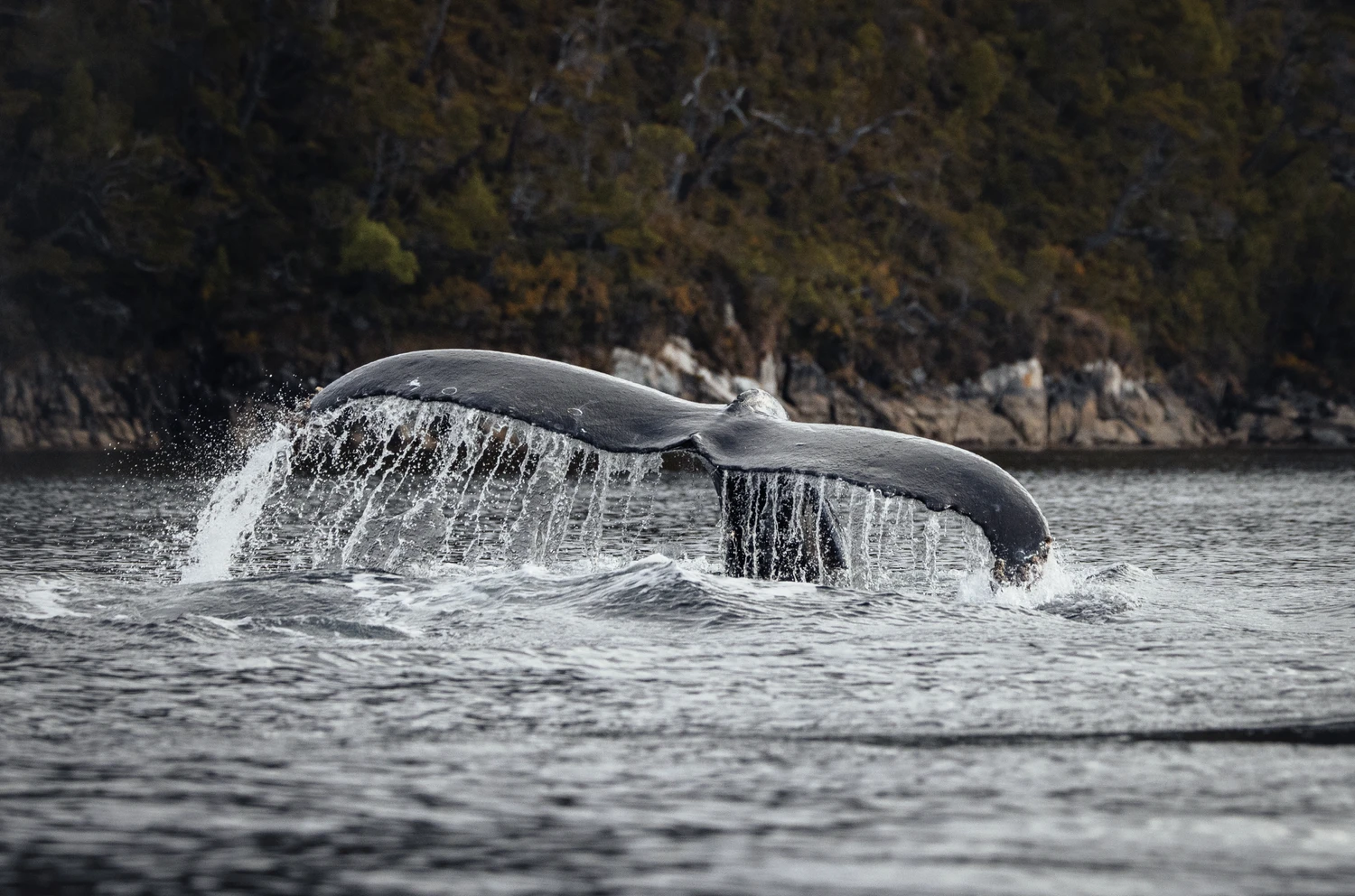
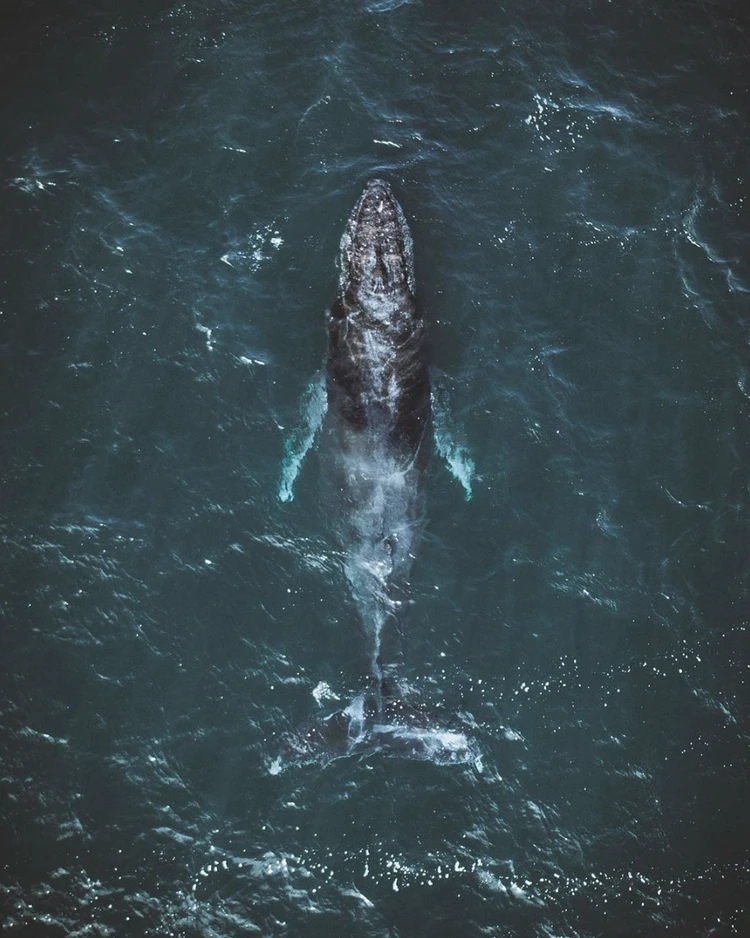
A long-distance marine navigation into the Strait of Magellan and the Francisco Coloane Marine Park, where seasonal feeding grounds attract humpback whales and other marine wildlife. Navigation through historic and remote parts of the strait with wildlife observation and views of glaciers.
A long-distance marine navigation into the Strait of Magellan and the Francisco Coloane Marine Park, where seasonal feeding grounds attract humpback whales and other marine wildlife. Navigation through historic and remote parts of the strait with wildlife observation and views of glaciers.
WHY IT EXIST HERE
WHY IT EXIST HERE
The southern Magellan Strait is one of the most biologically productive marine corridors in Patagonia. Each austral summer, humpback whales migrate to these waters to feed, alongside dolphins, seabirds, and Magellanic penguins. The area was designated Chile’s first marine park to protect this ecosystem and its seasonal wildlife concentration.
The southern Magellan Strait is one of the most biologically productive marine corridors in Patagonia. Each austral summer, humpback whales migrate to these waters to feed, alongside dolphins, seabirds, and Magellanic penguins. The area was designated Chile’s first marine park to protect this ecosystem and its seasonal wildlife concentration.
WHAT IT IS NOT
WHAT IT IS NOT
This is not a short wildlife tour. It is not a guaranteed whale-watching encounter. It is not a casual activity, the day is long, exposed to weather, and structured around navigation logistics. Wildlife sightings are possible but never certain.
This is not a short wildlife tour. It is not a guaranteed whale-watching encounter. It is not a casual activity, the day is long, exposed to weather, and structured around navigation logistics. Wildlife sightings are possible but never certain.
LOCAL IMPACT NOTE
LOCAL IMPACT NOTE
Marine wildlife observation in this region operates under strict navigation and environmental guidelines. Boats maintain regulated distances from whales and other animals to minimize disturbance.
Marine wildlife observation in this region operates under strict navigation and environmental guidelines. Boats maintain regulated distances from whales and other animals to minimize disturbance.
PARTICIPATION EXPECTATIONS
PARTICIPATION EXPECTATIONS
Participants should be prepared for: Long navigation times, Wind and cold maritime conditions, Early departures Patagonian marine weather can change rapidly.
Participants should be prepared for: Long navigation times, Wind and cold maritime conditions, Early departures Patagonian marine weather can change rapidly.
RESPECT GUIDELINES
RESPECT GUIDELINES
Wildlife observation must remain passive. Noise, sudden movement, and attempts to approach animals are not permitted.
Wildlife observation must remain passive. Noise, sudden movement, and attempts to approach animals are not permitted.
PRACTICAL NOTES
PRACTICAL NOTES
• Includes usually: Boat navigation, Guide, Transfers to embarkation point, Meals or snacks on board. • Typical but not guarantee sightings, may include: Humpback whales, Magellanic penguins, Austral dolphins, Sea lions and elephant seals, Albatrosses and petrels
• Includes usually: Boat navigation, Guide, Transfers to embarkation point, Meals or snacks on board. • Typical but not guarantee sightings, may include: Humpback whales, Magellanic penguins, Austral dolphins, Sea lions and elephant seals, Albatrosses and petrels
(Detailed logistics and costs are shared after planning alignment)